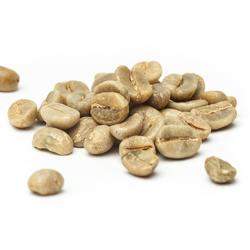


Brazil Santos – Whole Bean Green Coffee

Some like it... unroasted and whole bean. Green, unground coffee beans are a source of curiosity. They're very hard, and most commercially available grinders won't be able to handle them. However, they offer the opportunity to experiment with home roasting or brewing a potent extract. They can also serve to embellish small decorative objects. The choice is yours. Brazil Santos green coffee has many opportunities.
Shipping methods
| Nizozemská pošta HD - zásilkovna | Delivered by 22. 10. | 1,00 € |
|---|---|---|
 DHL DHL |
Delivered by 22. 10. | 4,90 € |


Ingredients
100 % ArabicaTaste
When it comes to flavor, be prepared for green coffee to be mild. It can perhaps be compared to green tea. In the case of Brazil Santos, it's like a slightly sweet and mild tea. When you use these beans for home roasting, you can expect an intense full body, light acidity, and notes of flowers, nuts, or caramel. It all depends on the experience of the roaster, though.
Origins

These coffee beans come from the hills of the Sao Paulo region, which, by the way, is richer than Argentina, Paraguay, and Bolivia combined. It is also Brazil's most populated region, with an extremely interesting and long history, cultural background, and excellent transport infrastructure. Agriculture is not left out either. Sao Paulo is one of the world's most important producers of beans, rice, oranges, sugarcane, flowers, corn, milk, wine, oil, and of course, coffee. Coffee is an indispensable export commodity for the entirety of Brazil. The country can export unprocessed green coffee duty-free to the US, Japan, and the European Union.
Sao Paulo's coffee plantations cover some 216,000 hectares of land. Some are popular tourist destinations, so you can stay near the coffee trees and, at least for a time, care for the bushes with the farmers or even participate in the harvesting and processing of the coffee cherries.
Of course, the vast majority of the green beans go to roasters. Some of it goes for grinding, but this is done with special machines because 'raw' coffee is extremely hard. However, we offer you the opportunity to experience the beans from Sao Paulo as they were harvested – that is, green and unground. What to do with them? One option is to try roasting them at home. You'll get the freshest possible taste and an authentic coffee experience. But if you're venturing into home roasting for the first time, you may also be in for a few trials and tweaks to temperature, length, and other parameters. Some people roast coffee in a popcorn machine, but using a non-stick pan is wiser. It is also suggested to use an oven. And the absolute best, if you are serious about roasting your own coffee, is to get a small personal roaster.
Another use for this green bean can be found in making infusions. This is because it contains high levels of antioxidants, caffeine, and chlorogenic acid (CGA), which helps many organs function properly. To prepare the infusion, place the green beans in a pot, pour in fresh water, bring to a boil, and then simmer. Finally, just strain the drink and sip it 30 minutes before eating. General recommendations advise not to exceed 2 cups per day.
And our final advice on their use: decorate glasses, candle holders, boxes, create pictures, or simply use it as a base for dry flower arrangements. It's up to you which option you want to test.
Benefits of coffee


Green coffee packaging preview
Our quality aluminum packaging lacks any bold graphics, as we’d rather focus on the taste of our coffee. Thanks to the hermetic seal, this container helps the contents keep their freshness and protect them against humidity, light or foreign odors.


Are you looking for inspiration? Other customers have bought this:
Adaptogenic Coffee with 5-Mushroom Complex
Vanilla Super Slim Coffee – Green Ground Coffee