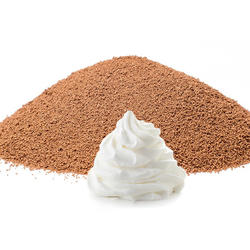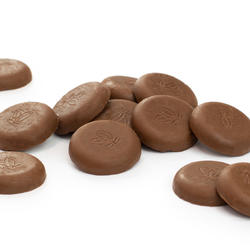


Chocolate Chips Black Zabuye 83%

Brazilians literally have a special law regarding chocolate. According to it, only products with over 35% of cocoa can be considered chocolate. And these dark chocolate chips meet that requirement more than twice! You can be sure that besides delicious flavor, you'll be getting a healthy dose of antioxidants, vitamins, and minerals. Brazilian cocoa beans are just that good.
Shipping methods
| Nizozemská pošta HD - zásilkovna | 1,00 € | |
|---|---|---|
 DHL DHL |
4,90 € |


Ingredients
83 % Cocoa mass Brasil, Cocoa powder with lower cocoa content, Sugar, Cocoa butter, Soy lecithin, Natural vanilla aromaTaste
Strong, bitter taste of roasted cocoa that's mellowed out by the final note of mild chocolate. This dark Brazilian treat with 83% cocoa content is absolutely perfect.
Origins
Brazilian cocoa is making a comeback! It’s no secret that one of the world’s largest exporters of cocoa beans was, until recently, battling the escoba de bruja – a fungal disease that affects cocoa trees. The so-called 'witch’s broom' caused a sharp drop in production and necessitated the replacement of most cocoa trees with new, more resistant plants. The government even dispatched the so-called ""chocolate brigades"" to support affected farmers and help with the replanting of the plantations.
Today, however, Brazil is once again at the forefront of exporters of high-quality cocoa and chocolate. Total production climbed to 210,000 tons in 2016 (compared to 185,000 tons in 2012).
The largest and most populated country in South America, and also the territory with the largest tropical rainforest in the world, can be considered the cradle of the true cocoa tree (Theobroma cacao). The conditions along the Amazon River and the shade provided by the surrounding trees are very suitable for cocoa trees. The first people to use the seeds of these fruits were likely the Olmecs, around 1000 BCE. They're said to have given them the name 'kakawa', which evolved into 'cacao'. But that's all we know about the very earliest origins of cocoa.
There are clearer records of the Maya (250-900 CE) drinking beverages or porridge made of cocoa beans. And then there's also evidence of the beans being used as currency – in some parts of Latin America as late as the 19th century! However, the current, solid form of chocolate was first produced only in 1847.
But back to the cacao trees. In appearance, they may remind us of apple trees. They can grow up to 15 meters tall, though they're usually kept much shorter. They bloom almost year-round and bear fruit just as frequently. In production areas, there is a distinction between one main harvest and so-called interim harvests. In Brazil, the main harvest season runs from April to July, with the off-season harvests taking place from July to December. The fruits of the cacao tree look like thick yellow or red cucumbers. When ripe, they weigh 300–500 grams. Inside, they contain 20–50 beans. These must be removed and readied for processing.
Farmers remove the sweet white pulp from the cocoa beans and let them ferment for several days. Then they need to be dried and pre-roasted. The processed crop is sent to factories, where it's turned into cocoa butter and cocoa powder. Using complex technology, these raw materials (along with a few other ingredients) are transformed into chocolate.
Why go through all this? First, chocolate tastes absolutely fantastic, and second – it offers significant benefits for our bodies. Scientists have discovered antioxidants (perhaps more than in any other food), vitamins, and minerals in its chemical composition. With their help, you can better manage stress, shake off a bad mood, and strengthen your body. Give it a try!
Brazil Origin Chocolate Chips are vegetarian and vegan friendly.
People allergic to milk, cocoa, or vanillin should exercise caution. This product may contain traces of nutshells.
Store at 12-20°C.
Hot chocolate & Hot cocoa packaging preview
Our quality aluminum packaging lacks any bold graphics, as we’d rather focus on the taste of our products. Thanks to the hermetic seal, this container helps the contents keep their freshness and protect them against humidity, light or foreign odors.


Are you looking for inspiration? Other customers have bought this:
Instant Coffee Mexico 100% Robusta
Instant Chocolate Coffee