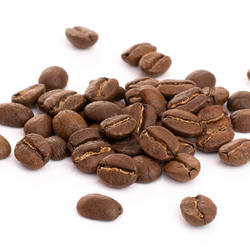


Colombia Excelso Narino Microlot – Roasted Coffee

What does coffee from the rugged mountains of western Colombia taste like? Try the Narino microlot to find out. We think it's creamy, rich, chocolatey, sugarcane-sweet, and refreshingly fruity on the finish. The unique flavor and aroma come from the harsh conditions, volcanic soil, and careful processing of the coffee cherries. Small farmers can take excellent care of their coffee. Experience it for yourself!
Shipping methods
| Nizozemská pošta HD - zásilkovna | Delivered by 22. 10. | 1,00 € |
|---|---|---|
 DHL DHL |
Delivered by 22. 10. | 4,90 € |


Ingredients
100 % ArabicaTaste & Crema
Colombia Excelso Narino coffee is extraordinary. Its body can be described as medium and balanced, with chocolate and sugarcane in the flavor, caramel, and a slight tangerine aftertaste.
Origins

Imagine tall mountains rising almost from the surface of the Pacific Ocean. Imagine a warm and humid climate that turns cold and frequent rainfall as the altitude increases. Imagine the wild nature and all its life. Now you know the western part of Colombia, the Narino region. In these conditions, coffee plants grow, tended by small farmers. They do not have an easy job because they have to climb hills to get to them. The red coffee cherries are harvested by hand, one by one, as they ripen.
The first coffee plants were grown in Colombia in the early 19th century. A priest named Francisco Romero was instrumental in spreading the shrubs to the country's northeastern regions. It is said that confession, he assigned the sinners to help grow coffee to reach absolution. In the mid-19th century, however, Colombian landowners took advantage of the new opportunity and almost abandoned coffee cultivation due to the growing demand for tobacco and quinine. The number of small coffee producers did not begin to grow until after 1875. In 1905-1935, the Federacion Nacional de Cafeteros de Colombia, an organization of local farmers and smallholders, helped significantly. It enabled them to overcome logistical and commercial difficulties, and differentiate their products as well as promoted (and still promotes today) the quality of their harvests. Nowadays, coffee is grown in all the mountain ranges of Colombia and provides a livelihood for more than half a million families there.
In 1958, the National Federation of Coffee Growers of Colombia sent the Juan Valdez character to ''fight'' for Colombian coffee. The fictional Colombian farmer pointed out the quality of 100% Colombian coffee in various advertisements. He urged people to distinguish pure, plantation-grown coffee from the blends commonly sold in other countries. Many coffee traders have adopted the name Juan Valdez, so today, we can find it not only in Colombia but also in Chile, Costa Rica, Ecuador, Panama, Kuwait, the USA, and Spain.


Benefits of coffee


Coffee packaging preview
Our quality aluminum packaging lacks any bold graphics, as we’d rather focus on the taste of our coffee. It always comes fresh thanks to degassing valve, which releases the gases that occur after roasting. Thanks to the hermetic seal, this container helps the contents further keep their freshness and protect them against humidity, light or foreign odors.
Instructions for preparation
Grind your coffee according to your preferred method.
Use 14ml of water per 1g of coffee. For 1 cup of coffee use 7g.
Add your coffee and cover with boiled water (95°C).


Are you looking for inspiration? Other customers have bought this:
Brazil Santos NY2 SSFC 17/18 – Roasted Coffee
Colombia Excelso Medelin EP Fancy – Roasted Coffee