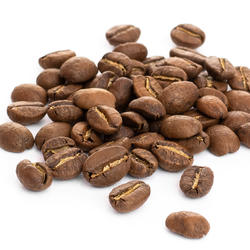


Congo Ngula – Organic Roasted Coffee

For those who appreciate high-altitude coffee, those who are advocates of organic farming, and those who are passionate for drinks with appealing flavors and unique aromas, we roasted premium beans from the Kivu region of Congo. This coffee provides an experience as sweet as honey, as bitter as grapefruit, and as juicy as plums. Experience the coffee from the land of minerals, baobabs, and mountain gorillas.
Shipping methods
| Nizozemská pošta HD - zásilkovna | Delivered by 9. 10. | 1,00 € |
|---|---|---|
 DHL DHL |
Delivered by 9. 10. | 4,90 € |


Ingredients
100 % Arabica BIOTaste & Crema
Kongo Organic Ngula has some exceptional distinctions. Its honey aroma seems to predetermine its sweet, novel taste, which combines the bitterness and acidity of grapefruit with the sweetness and juiciness of ripe plums. The body is full and light, and the coffee has a complex taste. It's great on filter, but you won't go wrong using a moka pot or vacuum pot.
Origins

The Kivu region, is the name given to the large area around the Lake Kivu, which includes not only the Democratic Republic of Congo but also Rwanda. It is characterized by lush vegetation, high hills, and volcanic bedrock. The Congo's varied nature is not just a privilege of the lake area; the rainforest is known for its high biodiversity and is home to many endemic species of plants and animals. Indeed, the Democratic Republic of Congo is Africa's most biologically diverse country.
Because it lies on the equator, Congo has the highest average of storms in the world. The climate is tropical, with high temperatures and humidity. In the north, the dry season lasts from November to March, and the rainy season is from April to October. In the south, the opposite is true. Temperatures tend to be relatively stable, with little variation between seasons. The biggest temperature changes occur between day and night where the temperature can drop by a whole 27⁰C. As for coffee trees, these are grown at higher altitudes in the Congo. This allows the red coffee cherries to ripen more slowly and gradually. At the same time, the substances essential for the flavor and aroma of the resulting coffee accumulate in the berries for a longer period of time.
Congo Organic Ngula coffee comes from the island of Idwji in Lake Kivu, so its profile is also influenced by the abundance of moisture and high humidity. It's not a surprise that locals consider the island to be a place with a tragic history and an amazing future. A former haven for rebels, smugglers, and criminals is now being transformed into an agricultural area where farmers are helping each other and, thanks to their association in the CPNCK cooperative, have succeeded, since 2012, in eliminating illegal trades and building a peaceful community of (not only) farmers. The small, very modest farms grow mostly arabica varieties, like Typica and Bourbon, at altitudes of 1,600-1,800m and without using industrially produced fertilizers and sprays.
Coffee trees thrive thanks to the fertile volcanic soil and the farmers' sustainable approach to growing them. They use dried coffee husks called cascara as fertilizer. They harvest the coffee plants from March to June, process them by washing, and dry the green beans on special tables under direct sunlight. This is how top-quality coffee from Idwji goes out into the world, winning numerous awards in international competitions.


Benefits of coffee


Coffee packaging preview
Our quality aluminum packaging lacks any bold graphics, as we’d rather focus on the taste of our coffee. It always comes fresh thanks to degassing valve, which releases the gases that occur after roasting. Thanks to the hermetic seal, this container helps the contents further keep their freshness and protect them against humidity, light or foreign odors.
Instructions for preparation
Grind your coffee according to your preferred method.
Use 14ml of water per 1g of coffee. For 1 cup of coffee use 7g.
Add your coffee and cover with boiled water (95°C).


Are you looking for inspiration? Other customers have bought this:
Brazil Santos NY2 SSFC 17/18 – Roasted Coffee
Cuba Serrano Superior – Roasted Coffee