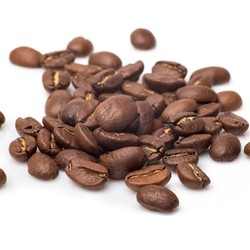


Cuba Arabica Torquino Caracolillo PB – Roasted Coffee

As authentic as it gets – Cuba Torquino Caracolillo will take you to the mountain ranges of Sierra Maestra, the birthplace of this unique delicacy. Each cup will grace you with a subtle bitterness of high-quality chocolate, the sweetness of dried fruit, and a decadent trace of tobacco that will remind you of the aroma of famous Cuban cigars. Make brewing coffee your ritual, take a moment, don’t rush. Maybe even every day.
Shipping methods
| Nizozemská pošta HD - zásilkovna | Delivered by 22. 10. | 1,00 € |
|---|---|---|
 DHL DHL |
Delivered by 22. 10. | 4,90 € |


Ingredients
100 % ArabicaTaste & Crema
The taste of Cuba Arabica Torquino Caracolillo PB can described as mild yet distinct and memorable. You’ll recognize notes of smooth, dark chocolate that will melt on your tongue along with nuts – some walnuts as well as some hazelnuts – and dried fruit, which adds a pleasant sweetness. The finish reveals notes of tobacco, but don’t fret. It’s nothing like the heavy smokiness of actual cigars and more like an aroma of dried leaves in a cigar box. The overall impression is full, rounded, with low acidity yet intense enough to be enjoyed even without sugar or milk.
Origins

In the heart of eastern Cuba, where the Sierra Maestra mountain range meets the sky and the air smells like damp earth, tobacco, and rain, locals cultivate an exceptional coffee called Cuba Turquino Caracolillo. It’s named after the highest peak of Pico Turquino, which has a statue of Cuba's national hero, José Martí. This place is incredibly unique – and so is the shape of the coffee beans growing there. They're smaller and rounder than we normally see in coffee. They're called Peaberry, and it's a genetic rarity for a coffee cherry to produce just one single round bean instead of the usual two flatter ones. Thanks to the unusual shape, the sugars and oils are more concentrated, so the coffee has a more distinctive, fuller flavor profile.
In Sierra Maestra, Typica Peaberry coffee trees grow at altitudes of between 400-900 m, specifically near Bartolomeo Masó (in the province of Granma). The conditions here are almost ideal: soil that’s rich in minerals, a tropical climate with high humidity, and the shade of mountain forests. As a result, farmers don’t have to use chemical fertilizers or pesticides. Everything is done by hand, from harvesting to washing the coffee beans, which are then spread out by the workers and dried in the sun. The result is a clean, balanced coffee with low acidity and a subtle sweetness.
<span">Coffee has a long history in Cuba. It’s been cultivated here since the mid-18th century, and the Sierra Maestra mountains were key for farmers even then. The locals were introduced to coffee and coffee culture thanks to the French immigrants, who brought it with them. After the revolution and nationalization, production declined, but in recent years, there has been a gradual recovery, thanks in part to projects such as BioCubaCafé, which promote sustainable and organic production. In 2000, the area was even inscribed on the UNESCO World Heritage List as the Archaeological Landscape of the First Coffee Plantations of Southeast Cuba.
Today, Cuba Turquino Caracolillo coffee is becoming a highly desired specialty for lovers of high-quality espresso in Europe and Japan. Its production is limited and therefore not always readily available. It’s this unavailability, combined with its unique taste and story, that makes it a true gem among coffees. If you’re looking for a coffee that has soul and character, then you’ve just found it.
Benefits of coffee


Coffee packaging preview
Our quality aluminum packaging lacks any bold graphics, as we’d rather focus on the taste of our coffee. It always comes fresh thanks to degassing valve, which releases the gases that occur after roasting. Thanks to the hermetic seal, this container helps the contents further keep their freshness and protect them against humidity, light or foreign odors.
Instructions for preparation
- Grind your coffee according to your preferred method.
- Use 14ml of water per 1g of coffee. For 1 cup of coffee use 7g.
- Add your coffee and cover with boiled water (95°C).


Are you looking for inspiration? Other customers have bought this:
Guatemala Antiqua San Juan SCR90 – Roasted Coffee
Costa Rica San Rafael Tarrazu SHB RZ – Roasted Coffee