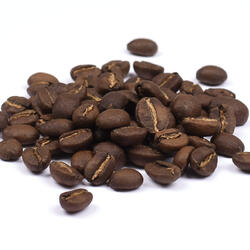


Ethiopia Sidamo Durato Bombe Microlot – Light Roast Coffee

Ethiopia and coffee are one and the same. This microlot from the famous region of Sidamo was roasted with drip coffee in mind. The light roast helps develop a lively and layered character, so you can enjoy juicy blueberries, exotic pineapple, and sweet, refreshing plums. This arabica by the Dukamo brothers offers a clear and complex taste profile; a pleasure for anyone looking for mild nuance in premium coffee.
Shipping methods
| Nizozemská pošta HD - zásilkovna | Delivered by 24. 9. | 1,00 € |
|---|---|---|
 DHL DHL |
Delivered by 24. 9. | 4,90 € |


Ingredients
100 % ArabicaTaste & Crema
The light degree of roasting allows the natural character of this Ethiopian arabica to fully shine. Over a filter, it opens to a rich, fruity flavor with notes of blueberries, pineapple, and ripe plums accompanied by a lively, pleasantly juicy acidity. The body is lighter and elegant, with a pure, sweet, and lasting aftertaste. When using brewing methods such as a V60, Chemex, or pour-over, the individual layers of flavor unfold slowly and clearly show the unique qualities of this microlot.
Origin

The Federal Democratic Republic of Ethiopia is located in East Africa, bordering Eritrea, Djibouti, Somalia, Kenya, Sudan, and South Sudan. It's one of the poorest countries on the planet; its agriculture is very underdeveloped, yet it provides the local people with a reliable source of livelihood. Only 17% of Ethiopia’s land is currently being used, even though it has much greater potential in this regard. Despite the difficulties faced by local farmers, the country holds the world’s top spot in coffee production. After all, it was in Ethiopia that a goat herder is said to have discovered coffee plants; after chewing the red berries growing on the trees, he felt a surge of energy coursing through his veins. This happened as early as the 9th century, though the first written record of this event dates back to 1671.
Today, Ethiopia is Africa’s leading coffee producer and approximately the seventh-largest producer in the world. What's more, the country also has a high consumption rate on the domestic market; about half of the harvest remains within the borders to be enjoyed by the locals. Ethiopians produce around 380,000 metric tons of coffee annually and because they have such a warm relationship with it, no important event takes place without it. The coffee ceremony, in which even children participate, can easily last four hours. At the end, all participants sip coffee that's been heavily sweetened with sugar, but without milk.
The Sidamo region, where the Ethiopia Sidamo Durato Bombe microlot originates, is one of the traditional coffee-growing areas. The coffee trees are planted in the highlands, at an elevation of around 2,000 meters, so their cherries ripen more slowly, allowing them to absorb nutrients for a longer period and develop more robust flavors. It's very likely that Sidamo was the region where the first coffee trees originated. The name of this coffee also indicates that it was grown near the village of Bombe Kebele, at the foot of Mount Bombe. It is there that brothers Asef and Muluget Dukamo farm their land; they founded Daye Bensa Coffee in 2006. They operate 16 washing stations and 4 dry mills.
Because Ethiopia Sidamo Durato Bombe is one of those coffees that are cultivated and processed with exceptional care, we know exactly where it was grown, who tended it, and how it was processed. The hand-picked red berries were transported to a processing plant in the town of Qunqna. There, they were sorted and laid out in the sun to dry. Only then did workers remove the husks and pulp surrounding the beans. Thanks to this process, the coffee’s fruity notes and freshness come through in a very distinct very manner.
Taste & Crema
The light degree of roasting allows the natural character of this Ethiopian arabica to fully shine. Over a filter, it opens to a rich, fruity flavor with notes of blueberries, pineapple, and ripe plums accompanied by a lively, pleasantly juicy acidity. The body is lighter and elegant, with a pure, sweet, and lasting aftertaste. When using brewing methods such as a V60, Chemex, or pour-over, the individual layers of flavor unfold slowly and clearly show the unique qualities of this microlot.
Origin
The Federal Democratic Republic of Ethiopia is located in East Africa, bordering Eritrea, Djibouti, Somalia, Kenya, Sudan, and South Sudan. It's one of the poorest countries on the planet; its agriculture is very underdeveloped, yet it provides the local people with a reliable source of livelihood. Only 17% of Ethiopia’s land is currently being used, even though it has much greater potential in this regard. Despite the difficulties faced by local farmers, the country holds the world’s top spot in coffee production. After all, it was in Ethiopia that a goat herder is said to have discovered coffee plants; after chewing the red berries growing on the trees, he felt a surge of energy coursing through his veins. This happened as early as the 9th century, though the first written record of this event dates back to 1671.
Today, Ethiopia is Africa’s leading coffee producer and approximately the seventh-largest producer in the world. What's more, the country also has a high consumption rate on the domestic market; about half of the harvest remains within the borders to be enjoyed by the locals. Ethiopians produce around 380,000 metric tons of coffee annually and because they have such a warm relationship with it, no important event takes place without it. The coffee ceremony, in which even children participate, can easily last four hours. At the end, all participants sip coffee that's been heavily sweetened with sugar, but without milk.
The Sidamo region, where the Ethiopia Sidamo Durato Bombe microlot originates, is one of the traditional coffee-growing areas. The coffee trees are planted in the highlands, at an elevation of around 2,000 meters, so their cherries ripen more slowly, allowing them to absorb nutrients for a longer period and develop more robust flavors. It's very likely that Sidamo was the region where the first coffee trees originated. The name of this coffee also indicates that it was grown near the village of Bombe Kebele, at the foot of Mount Bombe. It is there that brothers Asef and Muluget Dukamo farm their land; they founded Daye Bensa Coffee in 2006. They operate 16 washing stations and 4 dry mills.
Because Ethiopia Sidamo Durato Bombe is one of those coffees that are cultivated and processed with exceptional care, we know exactly where it was grown, who tended it, and how it was processed. The hand-picked red berries were transported to a processing plant in the town of Qunqna. There, they were sorted and laid out in the sun to dry. Only then did workers remove the husks and pulp surrounding the beans. Thanks to this process, the coffee’s fruity notes and freshness come through in a very distinct very manner.
Benefits of coffee


Coffee packaging preview
Our quality aluminum packaging lacks any bold graphics, as we’d rather focus on the taste of our coffee. It always comes fresh thanks to degassing valve, which releases the gases that occur after roasting. Thanks to the hermetic seal, this container helps the contents further keep their freshness and protect them against humidity, light or foreign odors.
Instructions for preparation
- Coarsely grind your coffee.
- Add 1g of coffee per 14ml of water to a V60 filter.
- Using circular motions, cover the coffee with boiled water (93°C).


Are you looking for inspiration? Other customers have bought this:
Ethiopia Aricha Natural Grade 1 – Organic Light Roast Coffee
El Salvador SHG Red Bourbon Finca Santa Adelaida Microlot – Roasted Coffee