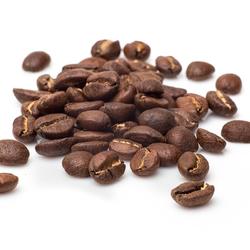


Ethiopia Sidamoo Mocha – Roasted Coffee

Mocha can mean a chocolate brown, a suede glove or a coffee grown in Arabia. We believe that Ethiopia Sidamo Mocha encapsulates all three meanings. Indeed, it is one of the most chocolatey coffees globally, velvety smooth, and was once a delicacy exported to Yemen. This medium-strength arabica with a captivating aroma will stay in your memory after the first taste, making it a coffee you'll never give up.
Shipping methods
| Nizozemská pošta HD - zásilkovna | Delivered by 19. 10. | 1,00 € |
|---|---|---|
 DHL DHL |
Delivered by 19. 10. | 4,90 € |


Ingredients
100 % ArabicaTaste & Crema
Ethiopia Sidamo Mocha coffee are truly the epitome of what coffee smells, tastes, and looks like. They are perfect for brewing in a mocha pot when all their notes and aromas come out.
Origins

If you've always wanted to taste coffee from the place where it was first conceived, then you've come to the right place. Ethiopia is cited as the country where coffee was discovered, both the great taste and wonderful effects. It happened during the 9th century in the Kaffa province, and legend is that it was thanks to a herd of gluttonous goats and one curious herdsman. He wondered why the animals who grazed on coffee cherries were so cheerful and wild.
From Ethiopia, coffee plants made their way to Yemen around the 13th century, and it took a long time before the inhabitants of the Arabian Peninsula were willing to share this treasure. They clung to it so much that they poured boiling water over the raw beans before exporting them to prevent the possibility of them sprouting outside Arabia and depriving them of high profits.
But back to Ethiopia, an East African nation for which coffee remains an important crop. More than half of its export income comes from coffee sales, and around 15 million people are estimated to benefit from growing or processing it. A significant number for a poverty-stricken country. Coffee beans in Ethiopia fall into three categories: Longberry, Shortberry, and Mocha. The last variety is a highly prized commodity, with a complex chocolate flavor which has hints of spice and citrus fruit.
The Sidamo region lies in the Ethiopian highlands, where coffee bushes grow more slowly, and the fruit takes longer to ripen. As a result, they can absorb many more ambient aromas, resulting in a robust and very layered coffee aroma.
Ethiopians usually process coffee cherries in what is known as the wet process. First, they remove the top skin in water mills and loosen the flesh surrounding the seeds. They then pour the coffee into fermentation tanks with water, leaving it to ferment for up to 36 hours. Natural processes strip the beans of their last skins and release them completely. Finally, the green coffee must be dried, which is most often done in direct sunlight, with regular turning and raking.
That is how the traditional Ethiopian coffee called Mocha is created, a high-quality, remarkably chocolatey, rich, and full-bodied coffee.


Benefits of coffee


Coffee packaging preview
Our quality aluminum packaging lacks any bold graphics, as we’d rather focus on the taste of our coffee. It always comes fresh thanks to degassing valve, which releases the gases that occur after roasting. Thanks to the hermetic seal, this container helps the contents further keep their freshness and protect them against humidity, light or foreign odors.
Instructions for preparation
Grind your coffee according to your preferred method.
Use 14ml of water per 1g of coffee. For 1 cup of coffee use 7g.
Add your coffee and cover with boiled water (95°C).


Are you looking for inspiration? Other customers have bought this:

Brazil Santos NY2 SSFC 17/18 – Roasted Coffee

Brazil Yellow B. Fazenda Da Lagoa – Roasted Coffee