

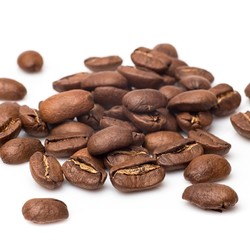
Jamaica Blue Mountain – Roasted Coffee


Beautiful forests, waterfalls, mountain peaks, fog, and scents all around – that's Jamaica. It's beauty is like nothing else in the world. The Blue Mountains in the eastern region exude aromas of flowers, fruits, and herbs. Powerful and alluring. That is why the coffee cultivated here is fantastic. It is not just the large coffee beans but also the unique, delicious taste and aroma that contribute to Blue Mountain Coffee's global success. Indulge in a truly flawless experience.
Shipping methods
| Nizozemská pošta HD - zásilkovna | Delivered by 9. 10. | 1,00 € |
|---|---|---|
 DHL DHL |
Delivered by 9. 10. | 4,90 € |


Ingredients
100 % ArabicaTaste & Crema
The flavor of this coffee didn't stumble its way to the top of the global charts. It confidently, purposefully waltzed there. You could write a whole novel about the qualities of this unique arabica – the initial chapters would describe its full, harmonious taste and silky body. Then, it might mention the intense floral aroma full of mountain herbs and move on the refreshing fruity flavor complemented by notes of chocolate, nuts and florals. The epilogue is just the thousands of positive reviews, full of genuine awe and admiration. What would you write about this coffee?
Origins

What about its origin? "It's the most beautiful island that human eyes have ever seen, where mountains and earth seem to touch the sky," Christopher Columbus reportedly said in 1494. He was, of course, referring to Jamaica – specifically its Blue Mountains. Located in the eastern part of the island, the Blue Mountains stretch approximately 45km long and 19km wide. They ascend from the coast to over 2,000m altitude in steep slopes. If the weather allows, you can see Cuba from the highest point, Blue Mountain Peak. The island is over 210km far.
The Blue Mountains are enshrouded in fog nearly all year, lending them a blue-grey hue. The region is climatically diverse, with temperatures around 27°C at the lowest parts and about 5°C on the peaks, and equally varied in its flora and fauna. The lush vegetation houses over 800 species of endemic plants, while the mountains serve as a habitat for the world's second-largest butterfly, Papilio homerus, and one of the Caribbean's largest bird migration sites. Some mountain sections are part of the Blue and John Crow Mountains National Parks, established by the Jamaican government in 1992 to conserve the remaining forests and protect the island's largest body of water.
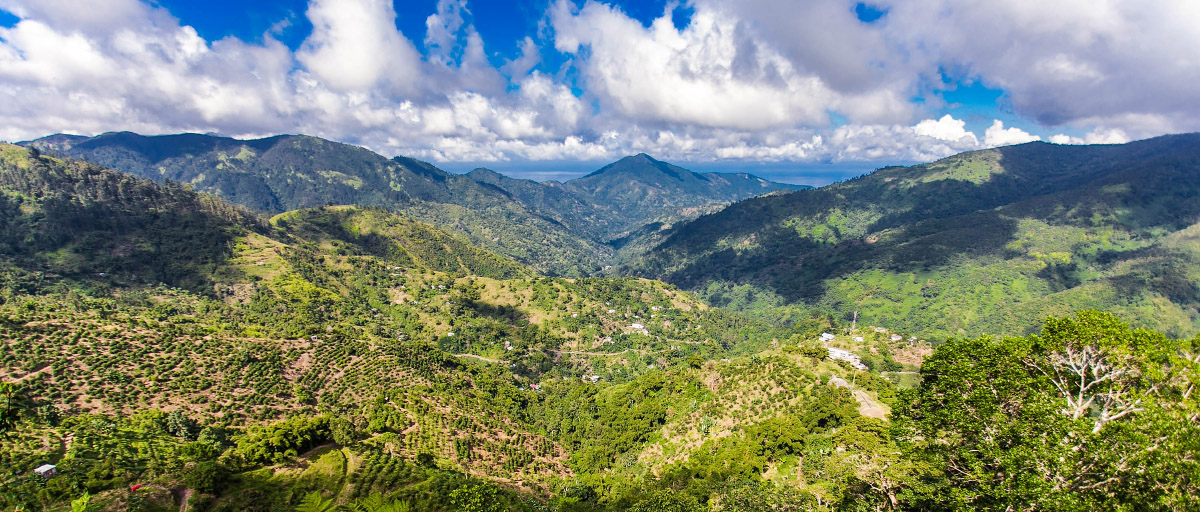
The Blue Mountains are not only for tourists and nature enthusiasts but individuals keen on visiting coffee plantations as well. The first coffee plant seedlings were introduced from the island of Hispaniola in 1728 by Governor Sir Nicholas Lawes. Jamaica, along with Cuba, Puerto Rico, and Hispaniola, forms the Greater Antilles archipelago. The extensive expansion of coffee cultivation in Jamaica dates to the early 19th century when plantations spread across the Blue Mountains' slopes. It is worth noting that even then, local coffee enjoyed an amazing reputation. Today, around 25,000 farmers cultivate, harvest, and process local coffee. They manage small plantations at altitudes ranging from 900-1,600m. From January to February, they hand-harvest the coffee plants and bring the yield to collection stations daily. Over 80 such stations exist in Jamaica. Here, the freshly picked coffee cherries are checked to eliminate green or insect-infested ones. The coffee is then washed to rid it of skin and mucilaginous substances. The station staff place the wet coffee beans on concrete slabs, or "barbeques," where they typically sun-dry for 5 days. If weather conditions are poor, the coffee is dried in dryers. The next step is for the coffee to ''rest''. The beans are packed into sacks and transported to a warehouse, where they stay for at least 10 weeks. This crucial stage allows its unique characteristics to develop. Ultimately, the husks are removed from the beans, and the coffee is polished and carefully sorted.
The Blue Mountain Coffee certificate guarantees the highest quality, with standards set and monitored by the Jamaica Coffee Industry Board, ensuring the coffee maintains its top parameters over time. Jamaica contributes a mere 1% to the global coffee market, with a substantial 90% of it going to Japan. Bringing this rare commodity to Europe is not easy. Nevertheless, coffee enthusiasts and lovers of true delicacies will find their way to Jamaica Blue Mountain.


Benefits of coffee


Coffee packaging preview
Our quality aluminum packaging lacks any bold graphics, as we’d rather focus on the taste of our coffee. It always comes fresh thanks to degassing valve, which releases the gases that occur after roasting. Thanks to the hermetic seal, this container helps the contents further keep their freshness and protect them against humidity, light or foreign odors.
Instructions for preparation
Grind your coffee according to your preferred method.
Use 14ml of water per 1g of coffee. For 1 cup of coffee use 7g.
Add your coffee and cover with boiled water (95°C).


Are you looking for inspiration? Other customers have bought this:
Kenya AA Superstar – Roasted Coffee
Mexico Maragogype Barranco Hand – Roasted Coffee