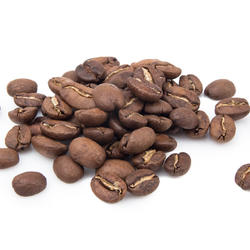


Nicaragua Matagalpa Microlot – Roasted Coffee

Volcanoes, lakes, exotic flowers and tropical trees. Nicaragua is a land of extraordinary biodiversity which makes it absolutely perfect for growing coffee. Need a proof? Try this arabica from the Matagalpa region, a unique microlot with flavors of caramel, citrus and chocolate. The local climate is called eternal spring and the local coffee is love at first sip. See for yourself.
Shipping methods
| Nizozemská pošta HD - zásilkovna | Delivered by 15. 10. | 1,00 € |
|---|---|---|
 DHL DHL |
Delivered by 15. 10. | 4,90 € |


Ingredients
100 % ArabicaTaste & Crema
Nicaragua Matagalpa Microlot is a coffee with a balanced flavor that reflects notes of sweet caramel, juicy and fresh citrus fruits and chocolate. It is very harmonious, yet it constantly entertains with its layers. With different preparation methods, the individual flavors stand out even more. Test this beautiful arabica in an espresso machine, but also on a filter or in a moka pot.
Origins

Coffee that is referred to as microlot is special because it comes from one specific area and the entire harvest from there has been processed in one "batch". It perfectly reflects the natural conditions of the plantation and the processing method. Microlots have a unique flavor and aromatic character, they are in high demand and are relatively rarely available. That's why we are delighted to introduce the fabulous Nicaragua Matagalpa Microlot from Nicaragua's renowned coffee region, that is also famous for its excellent cocoa and perfect tobacco.
Matagalpa is located in the mountains, so its climate is very pleasant. It's not a coincidence people call it the "eternal spring". The vast majority of the region specializes in organic farming and a return to nature. Farmers organize themselves into communities, giving them a chance to access the Fair Trade markets because as individuals they could not afford the high costs of meeting the required standards.
The coffee cherries are harvested by workers from March to October. The season starts slowly, so at first there are only a few men and women with large baskets, but when most of the berries ripen, the plantations are very busy. This sets increased demands on the timely and precise processing of the harvest. The washed method is typical of Nicaragua. First, the cherries must be put in water and any uripe or defective fruit must be separated. In the next step, the coffee must be stripped of its outer skin, which is done by pushing it through a crushing plate. Then the fruit goes into fermentation tanks with water, where it ferments for several hours or days. This dissolves the sweet mucilage that coats the cherries. Finally, the green coffee is washed again by workers and left to dry, either in kilns or in direct sunlight.
Nicaraguans typically cultivate plantations of up to 14 hectares and produce about 2 million bags of coffee a year, over 90% of which is exported worldwide. While it is true that Nicaraguan coffee is still finding its place in the spotlight, it's true that in recent years it hasn't been basking in the sun for long, which is a good testament to its high quality.


Benefits of coffee


Coffee packaging preview
Our quality aluminum packaging lacks any bold graphics, as we’d rather focus on the taste of our coffee. It always comes fresh thanks to degassing valve, which releases the gases that occur after roasting. Thanks to the hermetic seal, this container helps the contents further keep their freshness and protect them against humidity, light or foreign odors.
Instructions for preparation
Grind your coffee according to your preferred method.
Use 14ml of water per 1g of coffee. For 1 cup of coffee use 7g.
Add your coffee and cover with boiled water (95°C).


Are you looking for inspiration? Other customers have bought this:
Ethiopia Sidamo Durato Bombe Microlot – Light Roast Coffee
Colombia Huila Women's Coffee Project Microlot – Roasted Coffee