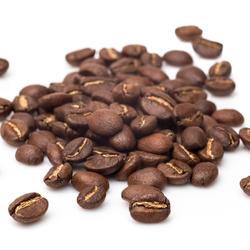


Nicaragua SHB EP Maragogype – Light Roast Coffee

We brought it from Nueva Segovia, gave it a light roast and a little taste to sample. Ah! The composition of caramel, hazelnut and dark chocolate melted on our tongue. Would you like some? This Nicaraguan, light-roasted arabica will charm you with its perfect harmony. Don't expect too many fruity notes – it's one of those coffees that are sweet, delicate and elegant.
Shipping methods
| Nizozemská pošta HD - zásilkovna | Delivered by 8. 10. | 1,00 € |
|---|---|---|
 DHL DHL |
Delivered by 8. 10. | 4,90 € |


Ingredients
100 % ArabicaTaste & Crema
Nicaragua SHB EP Maragogype light roast coffee is exceptional. You can easily detect the elegant notes of caramel, dark chocolate and hazelnut. Because it is a light roast coffee, it is sweet, balanced and rich. It's best prepared on filter, but you can also test it in an automatic coffee machine.
Origins

Nicaragua is the 12th largest exporter of coffee on the planet and exports more than 90% of its production. Looking at these figures from a different perspective, Nicaraguan coffee accounts for just 1.4% of the world coffee market, which doesn't sound like much. However, the quality and popularity of Nicaraguan coffee says more about the experience of the consumers than the numbers do. And in the case of Nicaragua SHB EP Maragogype, its fans aren't sparing any compliments.
It's a well-known fact that Central American coffees are among the sweeter ones, and if there is any acidity, it tends to be towards the lower notes of apricot or papaya. Hints of dark chocolate, nougat, and caramel are much more characteristic. Rich chocolate and almond sweetness are typical for the Nueva Segovia region where this coffee comes from.
Nueva Segovia is located in the north of Nicaragua, on the border with Honduras. Farmers there cultivate small plantations with an average size of around 3 hectares. The fertile volcanic soil, the high altitude and the shade in which the coffee trees grow contribute to the aroma and flavor of the coffee. However, the core of this Nicaraguan treat is the Bourbon arabica variety, more precisely the Maragogype (Elephant Beans) variation. It's a cultivar that thrives in the high mountains and produces coffee beans of notable size. The coffee tree's hardiness and extra size are due to the relatively low yield of the bushes. The largest coffee beans in the world have somewhat small yields, making them rare and highly prized.
Coffee trees are manually harvested because they grow in hard-to-reach hilly countryside. Large beans require a special line to process them. Once the fruit arrives at the plant, it goes to what are known as mills, where it is stripped of its skin and the flesh that encases the beans. The coffee is then placed in fermentation vessels and fermented for 24-72 hours. Finally, the drying process takes 5-7 days. The farmers let the green coffee rest for some time before sending it to the market packed in jute bags and export it to the world.
You may be surprised by the abbreviation EP in the name of this coffee. That's a guarantee that it has undergone additional quality control for the European market (EP = European Production).


Benefits of coffee


Coffee packaging preview
Our quality aluminum packaging lacks any bold graphics, as we’d rather focus on the taste of our coffee. It always comes fresh thanks to degassing valve, which releases the gases that occur after roasting. Thanks to the hermetic seal, this container helps the contents further keep their freshness and protect them against humidity, light or foreign odors.
Instructions for preparation
Coarsely grind your coffee.
Use 14ml of water per 1g of coffee. For 1 cup of coffee use 7g.
Using circular motions, cover the coffee with boiled water (93°C).


Are you looking for inspiration? Other customers have bought this:
Mexico Maragogype Barranco Hand – Roasted Coffee
Costa Rica San Rafael Tarrazu SHB RZ – Roasted Coffee