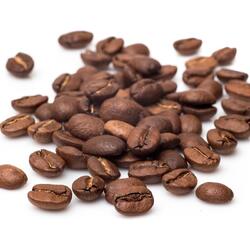


Rwanda Gisenyi FW A SCR. 15+ Muteteli Rugamba Microlot – Roasted Coffee

Most of Rwanda's coffee plantations are set high in the mountains, and the one where Rwanda Gisenyi FW A SCR 15+ Muteteli Rugamba microlot grows is no exception. The hills, their climate, and their soil lend this coffee its unique flavor and aroma. In this case, you will be greeted with wildflowers, green apples, citrus, and dark berries. In the Gisenyi region, they cultivate this exceptional coffee with attentive care.
Shipping methods
| Nizozemská pošta HD - zásilkovna | Delivered by 22. 10. | 1,00 € |
|---|---|---|
 DHL DHL |
Delivered by 22. 10. | 4,90 € |


Ingredients
100 % ArabicaTaste & Crema
Rwanda Gisenyi FW A SCR 15+ Muteteli Rugamba coffee is layered but very balanced and harmonious. Notes of flowers, juicy green apples, fresh lemons, oranges, and dark berry fruits enhance the soft, creamy body. All of this is crowned with a caramel finish. The composition of this microlot comes through beautifully when brewed on a filter. The variety of flavors can be enjoyed from a moka pot or Aeropress, but you certainly cannot go wrong with an espresso coffee machine either.
Origins

The history of the Rwandan coffee industry is moving on the one hand and monumental on the other. Coffee arrived in Rwanda in 1904 when missionaries brought it to the country, and it quickly became one of the country's most important cash crops. Initially, it was a low-quality product, but it found a following. When the country gained independence in 1962, the coffee industry was thrown into a deep crisis. However, farmers did not give up and began to turn their attention to high-quality, high-end coffees. They relied on unique natural conditions, long-term experience, and high-quality coffee varieties. A unified national strategy has also supported the resurgence of the coffee industry.
Today, there are over 450,000 small-scale coffee farmers in Rwanda, most of whom are dedicated to the arabica Bourbon variety, which has a smooth, creamy, velvety body with a hint of citrus and a caramel aftertaste. It has made Rwanda one of the top 30 coffee producers in the world, and it must be said that its production is of very high quality. The growing season begins in September or October and continues until the harvest, which takes place between March and June, usually peaking in May. Almost everywhere in Rwanda, coffee is processed by washing. Credit for this goes to the significant investment in community washing stations, which are capable of processing a myriad of unique microlots.
One of these is the Rwanda Gisenyi FW A SCR 15+ Muteteli Rugamba, a coffee from the Gisenyi region, which has become famous for its high-quality production. It grows excellent quality coffee, processes it well, and offers tourists and coffee lovers the opportunity to see the plantations and be part of the fragrant story of Rwandan coffee. It lies in the Albertine Rift valley near Lake Kivu, one of the deepest and largest lakes in the world. It's certainly worth a visit for the beautiful nature if not for the coffee sampling right from the source.
The wild landscape of the Albertine Rift microregion provides excellent conditions for coffee farmers. The fruit is processed at the Cañege station, which is managed by some 1,200 small farmers in the area. The carefully harvested cherries are first submerged in a water for 16-36 hours. The water allows them to soften and swell. They are then poured into a speacial machine where the skin and pulp are removed. Workers transfer the loosened beans to clean water tanks and leave them to ferment for 36 hours. The beans are then stripped of the last of their fibers, which is aided by a final ''blast'' of water. Finally, the coffee is spread out on concrete slabs and dried by direct sunlight.


Benefits of coffee


Coffee packaging preview
Our quality aluminum packaging lacks any bold graphics, as we’d rather focus on the taste of our coffee. It always comes fresh thanks to degassing valve, which releases the gases that occur after roasting. Thanks to the hermetic seal, this container helps the contents further keep their freshness and protect them against humidity, light or foreign odors.
Instructions for preparation
Grind your coffee according to your preferred method.
Use 14ml of water per 1g of coffee. For 1 cup of coffee use 7g.
Add your coffee and cover with boiled water (95°C).


Are you looking for inspiration? Other customers have bought this:
Brazil Santos NY2 SSFC 17/18 – Roasted Coffee
Brazil South of Minas – Roasted Coffee