


Why our products?
- Free shipping on orders over 49 €
- Satisfied customers
- Delivery date is specified within the product description
Why travel with your own coffee
Hotel breakfasts and airport cafés are sadly not the standard of a good coffee. Often, you’ll come across cheap, over-roasted beans from vending machines that don't even come near authentic coffee. If you pack your favorite coffee with you, you’re bringing along the quality and freshness. Among all of the new experiences, it’s nice to have something familiar and relaxing. A morning routine with your own coffee can help you find new energy and remind you of home, no matter where you are at the moment.
Coffee in tourist areas can be surprisingly expensive. During a week-long vacation, coffee can make a significant dent in your budget. Having your own coffee will save you the money you can invest into more travel experiences while you’re still able to enjoy a cup anytime, anywhere: on the bench as you watch the sunrise, in a mountain hut, just whenever you get the craving. And last but not least, you’re not limited to the opening hours of local cafés or proximity to civilization.
Ground vs. whole bean: Which to pack?
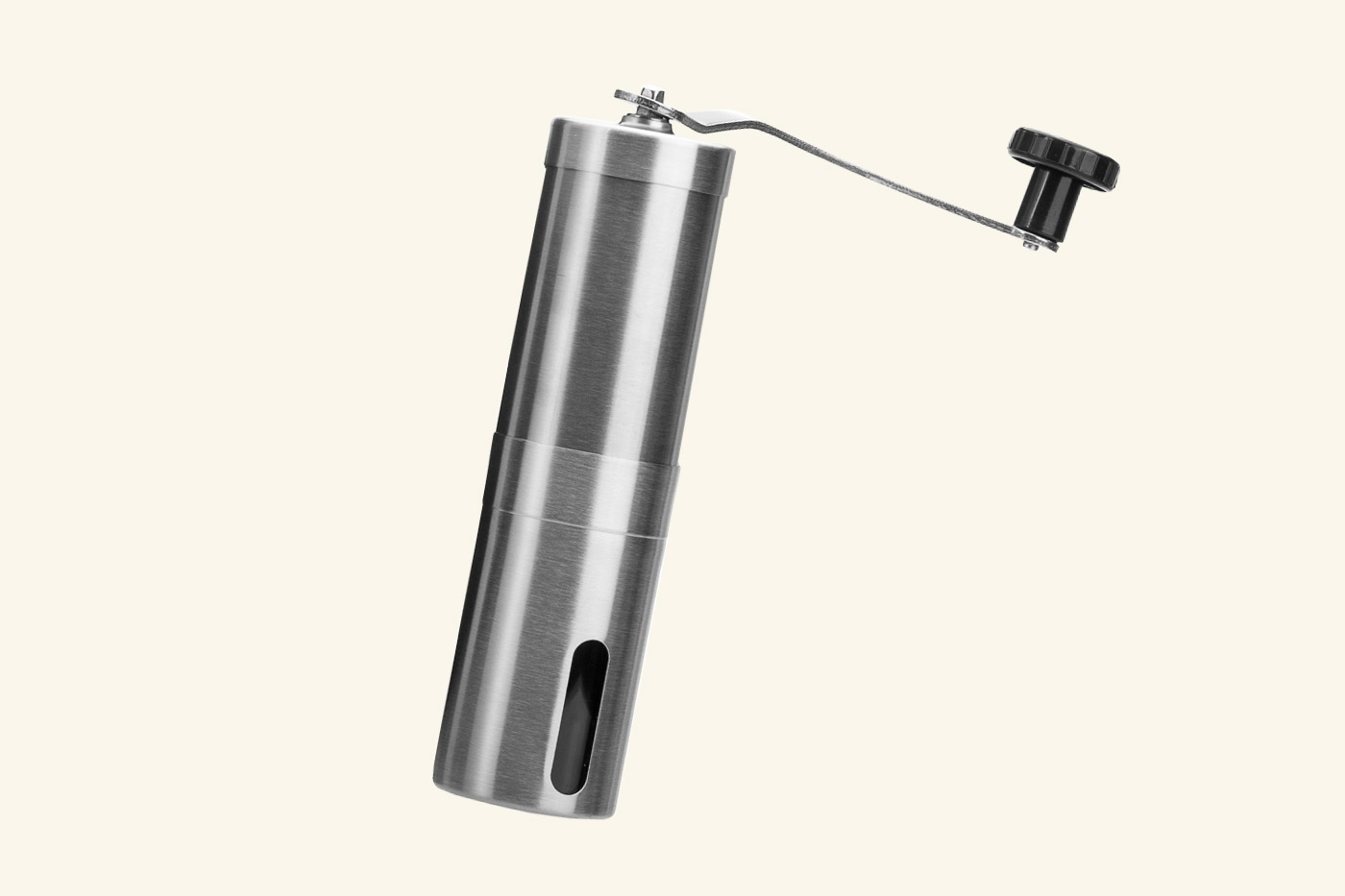
Whole bean coffee will stay fresh and fragrant for much longer. If you have some space to pack a manual coffee grinder, absolutely go for whole bean. Kaffia Tall grinder is an ideal companion – it’s lightweight, compact, and reliable. You can even choose the coarseness based on your method of preparation.
Ground coffee is more suited for short trips or for those times you’re counting every gram you’re able to pack. In an airtight container, it’ll last from one week up to 10 days without losing too much of its quality. It’s faster to make and doesn’t require any extra tools.
How much you’ll need and how to store it
For one week, expect to pack around 150-200 g per person. That’s enough for one to two cups a day. Separate it into several airtight bags to avoid losing your entire supply in case one gets damaged.
Tip! Mark the bags with specific days. You’ll save yourself some counting and easily keep track of your stock. Always keep your coffee away from humidity, high temperatures, and direct light.
Making your coffee on the go
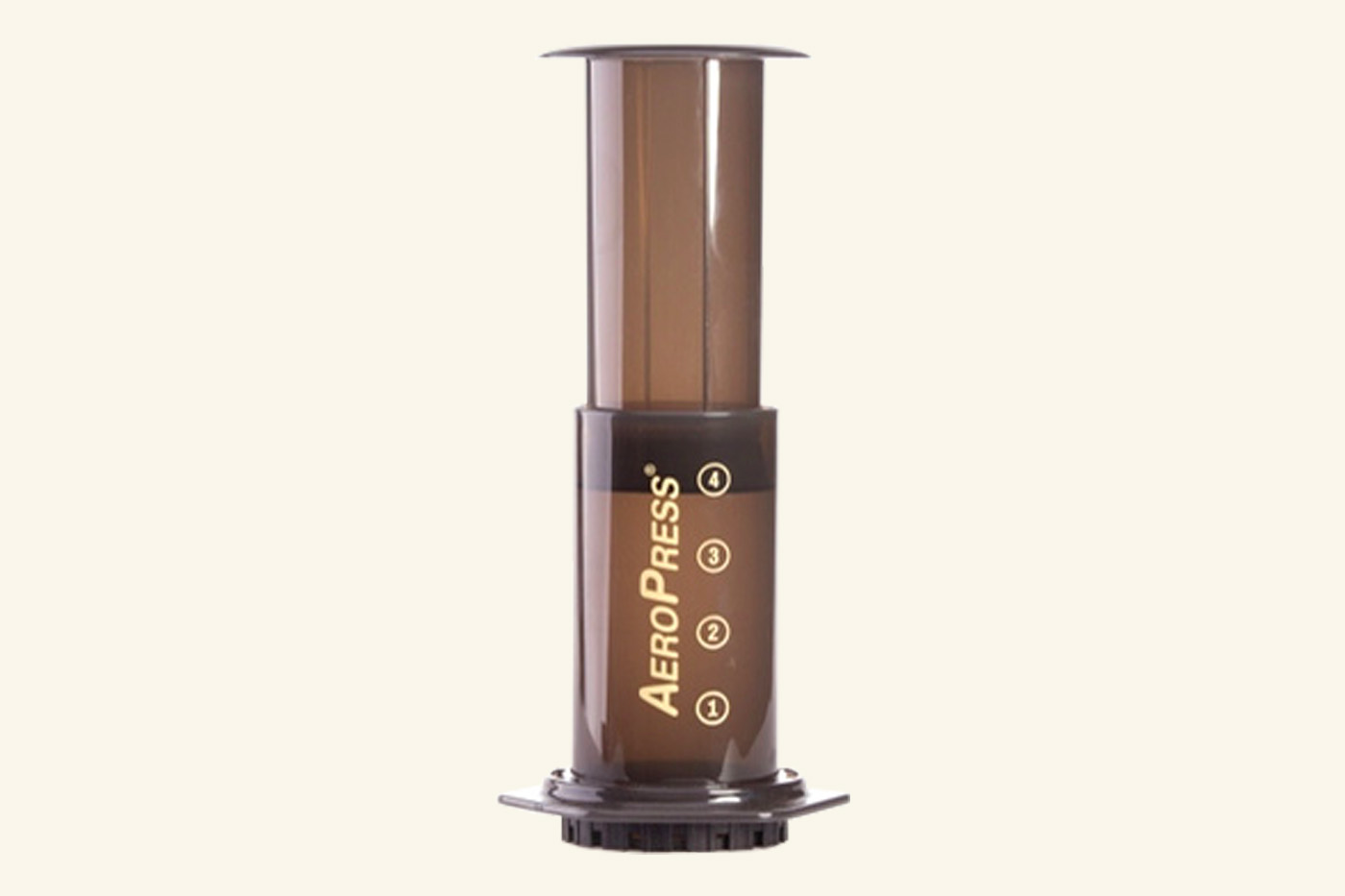
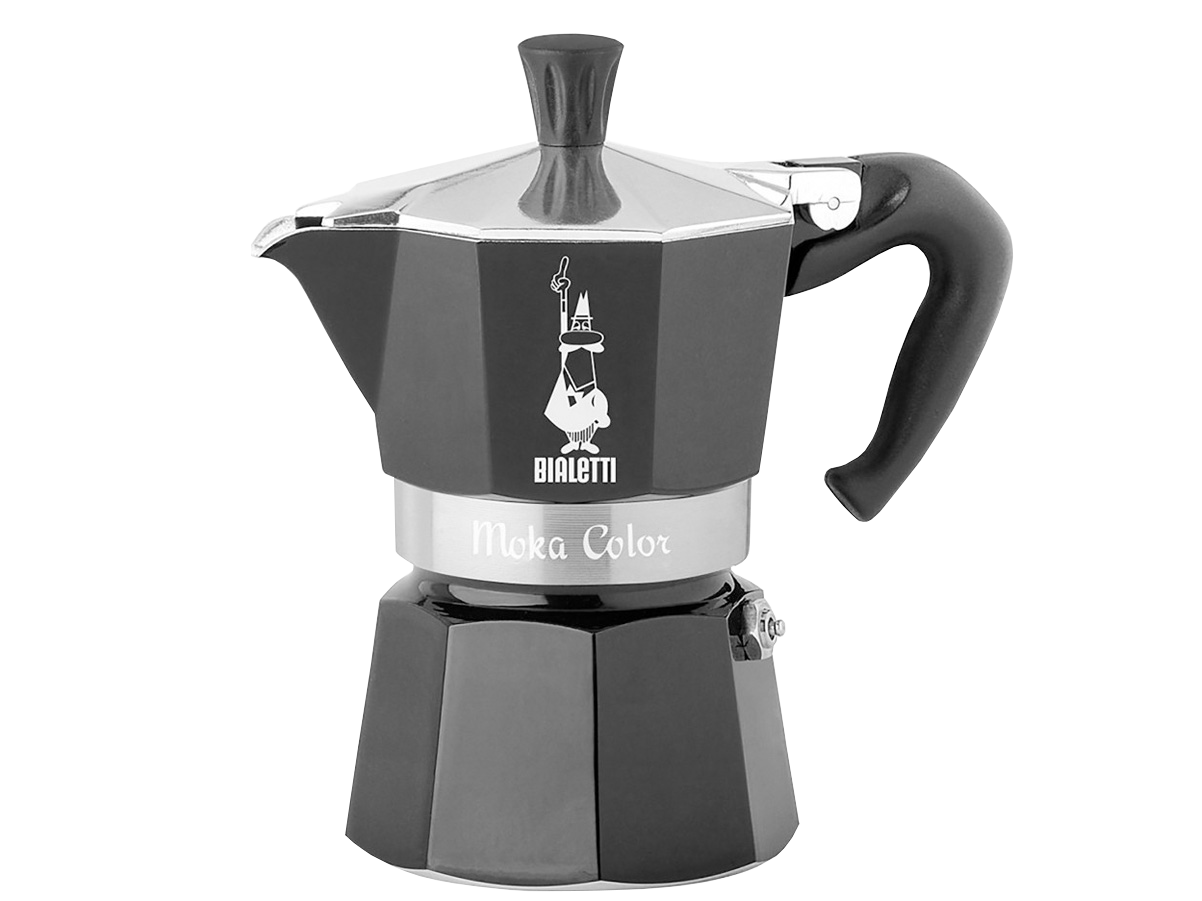
AeroPress is among the most popular methods of making coffee while travelling. It’s compact, almost indestructible, and the coffee is delicious and ready in just two minutes. You can get it in a set with everything you’ll need, including 350 paper filters, a measuring cup, and a stirrer. Just pack your favorite mug and you can play barista almost anywhere. For lovers of strong coffee, we recommend Bialetti moka pot, ideally in stainless steel rather than aluminum – it’s sturdier and works on induction stoves.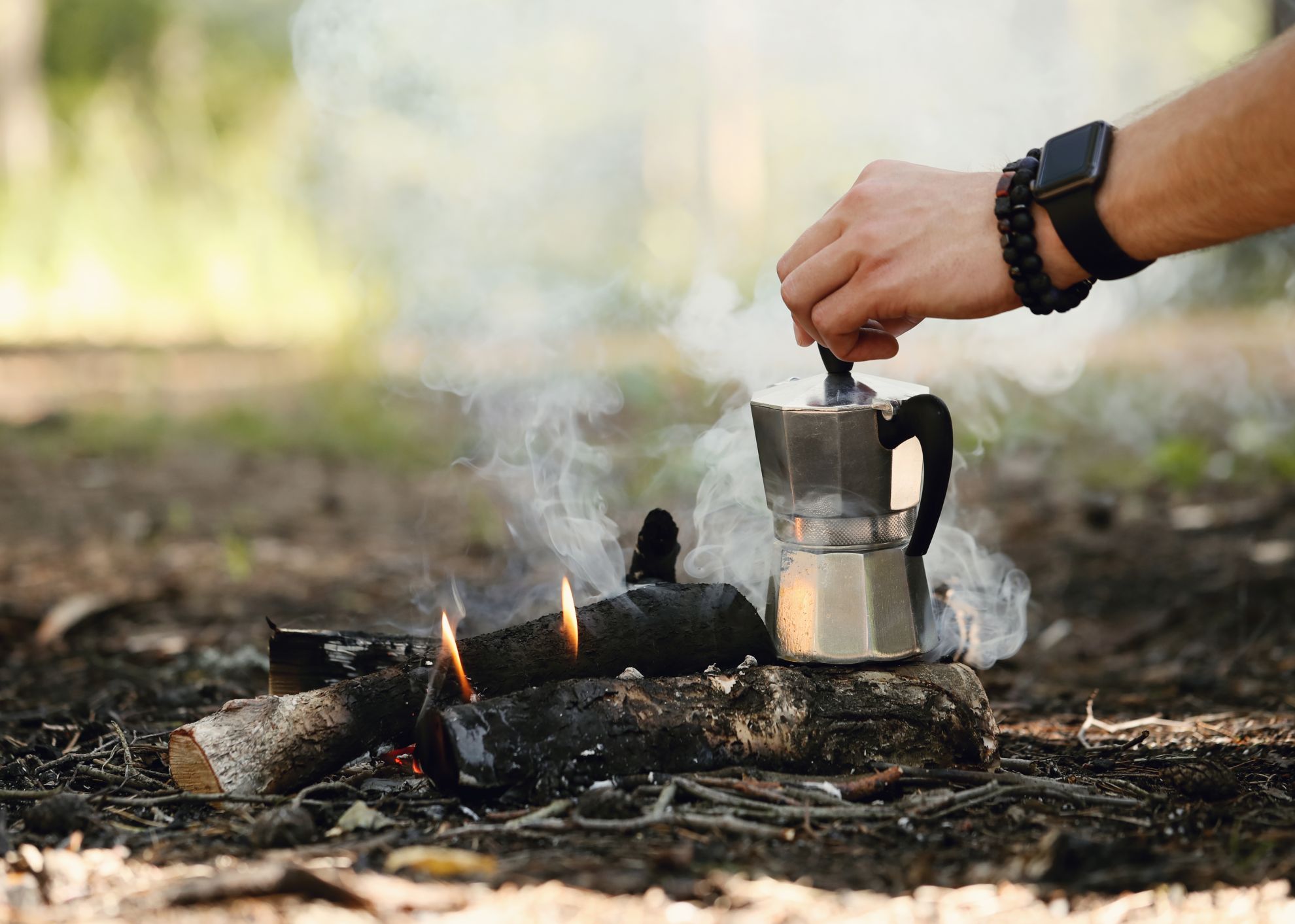
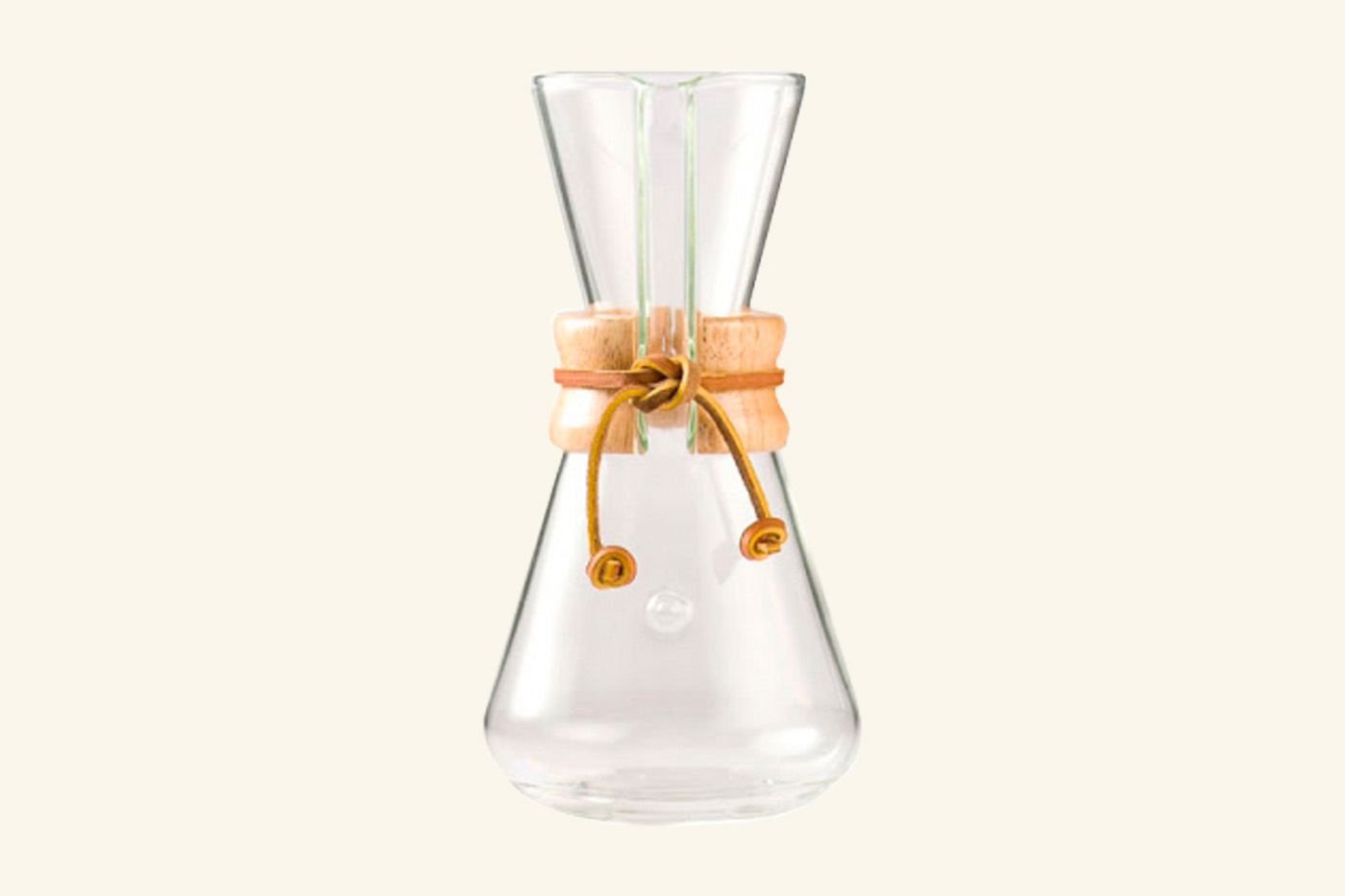
Hario pour-over kit or the elegant Chemex offer pure, pleasant coffee taste, but require special attention or special paper filters. Still, the results are worth it. And if you have a Nespresso coffee machine, re-fillable metal pods are much cheaper than the originals and let you choose your own coffee. It’s easy and allows you to experiment with different kinds of coffee beans. What’s more, they’ll outlast dozens of single use pods, so you’ll cut down on the waste, too.
French press – a comfy classic
French press is one of the easiest methods of coffee preparation. Just add coarsely ground coffee, usually 60 g per 1 L of water, or one tablespoon per cup. Cover with hot water, wait about four minutes, and press the plunger. The resulting coffee is full and rich. When travelling, we recommend stainless-steel instead of glass pot – it’s sturdier and better conducts heat.
French press is perfect for those who enjoy a larger amount of coffee at once or travel in groups. You don’t need any filters or skill, just a bit of patience to wait until your coffee is done brewing.
How to make a cup of coffee without tools
If you don’t have a kettle on hand, the hotel bathroom should suffice – hot water from the faucet is enough in times of crisis, though the temperature won’t be ideal. If you can access a microwave, warm up your water in there, or ask a receptionist for some.
If you packed whole bean coffee but forgot the grinder, don’t despair. Ask in a specialized coffee shop, ideally for a medium grind, since it’s the most universal and suitable for most methods including AeroPress, drip, or moka pot. Again, separate your ground coffee in smaller, ideally a day’s worth bags.
Improvising tools
If you really can’t get your hands on any of the basics, it’s time to improvise. A plastic bottle can serve as a container for mixing. If you need a filter, reach for a finely meshed tea strainer, and a thermos is not only good for finished coffee – you can also use it to store hot water.
Here are some checklists based on your preferred methods
AEROPRESS
- AeroPress set
- Medium ground coffee (or whole bean + grinder)
- Paper filters
- Travel mug or thermos, spoon
- Towel for cleaning
MOKA POT
- Moka pot
- Medium ground coffee
- Portable stove or access to a cooker
- An oven mitt for the hot moka pot
- Hot pad for the pot
POUR-OVER
- A dripper (V60, Chemex)
- Paper filters
- Coarsely ground coffee
- Gooseneck kettle
- A timer
HANDY ACCESSORIES
- High-quality thermos
- Airtight coffee containers
- Microfiber towels
- Small amount of dish soap
- Manual coffee grinder
Some tips for better results
Up to 98% of a cup of coffee is made up of water, so its quality will definitely affect the outcome. If the water from the tap is highly chlorinated, let it sit for a while or buy bottled water. The ideal brewing temperature is 90-96°C. You should drink your coffee in 15 minutes after it’s done, or you’ll risk it becoming more sour.
In an airplane, ask the attendants for hot water, which you can use for AeroPress or instant coffee. Some train carriers also have vending machines with hot water. For longer trips, make sure to pack a thermos.
Camping and the outdoors
The ideal combo for camping is a portable stove and a moka pot – or just AeroPress. Moka pots work fine with just fire, but you’ll need to watch it closely to prevent it from boiling over. For outdoor enthusiasts, there are lightweight tools for coffee preparation made from titanium.
Even if you have access to a kitchen, the equipment may not be up to standards. Pack your own kettle or at least high-quality coffee, since local options may be limited or low-quality. In tropical regions, make sure your coffee stays dry. Double wrapping in plastic bags is a must.
The taste of freedom in each cup
Having your own coffee while you travel has three major advantages:
- Saving money (homebrewed costs a fraction of the café prices)
- Control over quality
- It’s eco-friendly
In just a week, you’ll save a bunch of money and dozens of single-use items. Invest in a high-quality travel kit and discover how a good cup of coffee can make your whole vacation better. What’s more, you’ll have a great ice-breaker for conversations with fellow travelers or the locals. If you’re allergic or have a sensitive stomach, there’s also the fact you know exactly what you’re drinking.