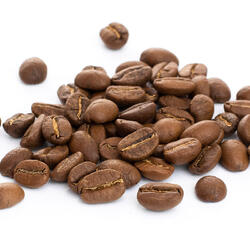


Yemen Mocha Grade A GrainPro Microlot - coffee beans

No lover of impressive drinks can do without a taste of coffee from the hills of Yemen. The rare arabica from the very south of the Arabian Peninsula is one of the best in the world. Not only does it have a round bean and a truly hearty taste, but it also delights with notes of chocolate, medium acidity, and a sparkle that can only be described as enveloped in mountain herbs. That's not a surprise, after all it was grown in the Bani Mattar region.
Shipping methods
| Nizozemská pošta HD - zásilkovna | Delivered by 18. 9. | 1,00 € |
|---|---|---|
 DHL DHL |
Delivered by 18. 9. | 4,90 € |


Ingredients
100 % ArabicaCrema and flavour of the coffee
Yemen Mocha Grade A GrainPro micro-lot is a medium-acidic coffee with a strong, multi-layered flavour. You'll find chocolate in it and a special, sparkly caress. On careful tasting, you will probably describe its flavour as herbal, fresh, and perhaps even breezy. However, with each taster a slightly different perception. Either way, this coffee will grab your attention with the very first sip.
Origin of the coffee
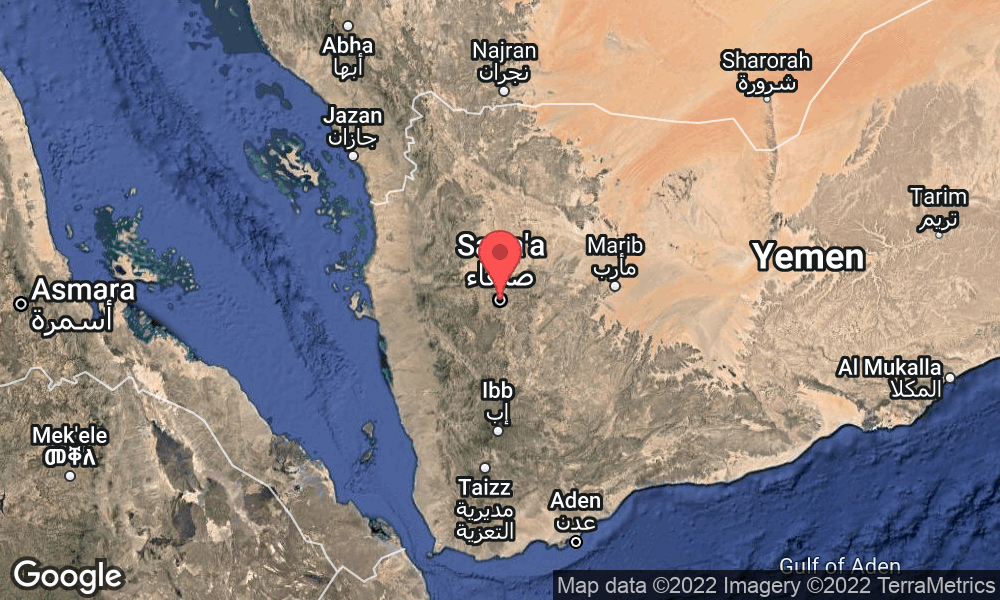
The Yemeni mountains are peaks climbing up to an altitude of 3,666 meters. The mountain ranges span the west and southwest of the country, which the Red Sea, the Indian Ocean, and the Arabian Sea surround. The southernmost tip of the Arabian Peninsula is also characterized by very high temperatures - in some areas reaching over 50 ⁰C in the shade. As for rainfall, in the north and in the desert, it may not occur for several years in a row. Conversely, the southern highlands can "boast" the highest rainfall totals of any region in the Arabian Peninsula.
So when you add this information to the Bani Mattar region (that lies at the foot of the Yemeni mountains), from which Yemen Mocha Grade A GrainPro Microlot originates, the image is clear right away. The coffee plantations are planted in a very hilly landscape at an altitude of 1,000 - 2,000 meters. They are, therefore, not affected by heat and nor do they suffer from a lack of moisture. The fruit ripens slowly and evenly. Visitors will be surprised to find that the farms are spread out on terraces resembling rice paddies. This allows farmers to move easily around the plantation and care for the plants more conveniently.
Not to mention that this coffee is of the Bourbon variety, thriving at high altitudes. It comes from Yemen, where French missionaries spread it to the La Réunion (formerly Bourbon) island, Kenya, and other locations. The way coffee is processed in Yemen is very interesting. During the harvest, workers carefully select only the ripest fruit. After plucking, they spread them out on large tables for drying, where they leave the coffee for 10 to 14 days. They then take the harvest to a processing plant to have the dry husks stripped and to extract the coffee beans.
Yemen has been inextricably linked to coffee for over 2,000 years. It used to be a major contributor to the world's coffee production, but today it faces a humanitarian crisis, and it is very difficult for farmers to ship their harvest out of the country, and it is only done through the port of Mocha, surrounded by the Red Sea. Unfortunately, the formerly legendary trading hub suffers from poor infrastructure and living conditions. Therefore, the coffee that reaches us from Yemen is very special in every way.
Benefits of coffee


Coffee packaging preview
Our quality aluminum packaging lacks any bold graphics, as we’d rather focus on the taste of our coffee. It always comes fresh thanks to degassing valve, which releases the gases that occur after roasting. Thanks to the hermetic seal, this container helps the contents further keep their freshness and protect them against humidity, light or foreign odors.
Instructions for preparation
- Grind the coffee to a suitable coarseness for the chosen coffee preparation.
- For 1 coffee, use at least 1.5 - 2 teaspoons (approximately 7g) of ground coffee.
- Cover the coffee with water at a temperature of approx. 95°C.


Are you looking for inspiration? Other customers have bought this:
Peru Andes Gold – Roasted Coffee
El Salvador SHG EP Santa Ana Miravalle H1 – Roasted Coffee