


Zambia Washed Arabica Plus Catimor – Roasted Coffee

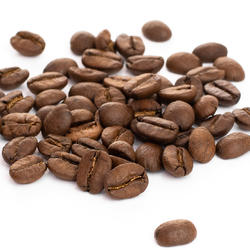
The popularity of Zambian coffee is gradually growing and this special arabica in particular is unique for not only its large beans but also for its lower caffeine content. Its delicious taste comes from the Catimor variety, which is characterized by pleasant bitterness, fruity freshness, and a truly delicate aroma. If you are a lover of elegant, high-quality drinks, this will be a hit!
Shipping methods
| Nizozemská pošta HD - zásilkovna | Delivered by 22. 10. | 1,00 € |
|---|---|---|
 DHL DHL |
Delivered by 22. 10. | 4,90 € |


Ingredients
100 % ArabicaTaste & Crema
Zambia Washed Arabica Plus Catimor is flavorful, with a full body and pleasant acidity. Thanks to the way the coffee is processed, you can detect notes of juicy fruit, especially citrus. The overall effect is elegant and balanced.
Origins

Coffee is a vital export commodity for the Republic of Zambia. Coffee farmers there have been growing coffee plants since the 1950s when they planted the first seeds brought from Tanzania and Kenya. But it was not until 30 years later that the African country became an official coffee exporter. That's when the International Coffee Organization granted it the necessary export quota.
Since then, Zambia's coffee plantations have been growing, with around 20 large ones now reported to be in operation. However, the smaller privately farmed fields are slowly disappearing – they cannot compete with the big producers. The vast majority of coffee trees grown in Zambia are of the arabica variety. In the case of this coffee, it is the Catimor variety. It is characterized by its dwarf stature, large beans, and excellent taste of the resulting beverage. Catimor thrives at altitudes between 1,000-1,600m, and is the most widespread in Indonesia and Vietnam. However, it was first introduced in Brazil in 1970.
The Northern Province, where Zambia Washed Arabica Plus Catimor coffee originates from, is situated on a large plateau, providing an excellent microclimate for the coffee trees. Long sunny days, cooler temperatures, and plenty of rainfall allow the coffee cherries to mature slowly. During this time, the unique aroma and distinct flavor are stored.
The typical way of processing coffee trees in Zambia is the washed process, or the so-called wet method. It involves careful (often manual) harvesting, followed by sorting and cleaning of the berries, for example, from stones, leaves, or mud. Then the coffee must be rinsed with clean water, and the unripe berries removed. The top layers of the berry are removed in a special machine, a drum in which the coffee rotates. The workers then transfer the coffee to fermentation tanks and leave it there for several hours to days. Natural processes ensure that the sweet pulp enveloping the coffee beans is dissolved. Then, the beans must be thoroughly washed and then dried. The coffee is often spread on concrete slabs and exposed to direct sunlight for 8-10 days. When it is ready, the workers sort the coffee again and finally, pack it.


Benefits of coffee


Coffee packaging preview
Our quality aluminum packaging lacks any bold graphics, as we’d rather focus on the taste of our coffee. It always comes fresh thanks to degassing valve, which releases the gases that occur after roasting. Thanks to the hermetic seal, this container helps the contents further keep their freshness and protect them against humidity, light or foreign odors.
Instructions for preparation
Grind your coffee according to your preferred method.
Use 14ml of water per 1g of coffee. For 1 cup of coffee use 7g.
Add your coffee and cover with boiled water (95°C).


Are you looking for inspiration? Other customers have bought this:

Brazil Santos NY2 SSFC 17/18 – Roasted Coffee
Brazil South of Minas – Roasted Coffee