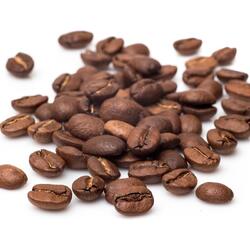


Zimbabwe AA – Roasted Coffee

Safaris, waterfalls, and rock formations. The Republic of Zimbabwe offers a range of unforgettable experiences. No need to travel thousands of miles – there is an easier way. The local coffee production reflects the beautiful countryside, the hot South African sun, and the sparkling streams and rivers of the region. Exceptional arabica with the taste of caramel and fruit is one of the most prominent coffees in the world. You'll love it!
Shipping methods
| Nizozemská pošta HD - zásilkovna | Delivered by 22. 10. | 1,00 € |
|---|---|---|
 DHL DHL |
Delivered by 22. 10. | 4,90 € |


Ingredients
100 % ArabicaTaste & Crema
Zimbabwe AA is a coffee for true connoisseurs. They are some of the less acidic ones, nicely balanced by a rich body with an attractive caramel-fruity aroma. With careful sampling, you will also discover the typical spicy notes of African coffees, namely cinnamon and floral overtones. Prepared as an espresso, they delight with delicate, lighter crema. The two A's in the coffee's name describe high-quality beans.
Origins

Zimbabwe (Republic of Zimbabwe), located in southeastern Africa, is a landlocked country with a population of more than 13 million. It has been affected by a series of political changes over the past century, negatively impacting coffee producers and growers. However, the country's history goes back much further to the 3rd century AD when tribes of farmers settled it.
The prevailing climate can be described as tropical, although some areas have spots with cooler temperatures and higher rainfall. In Zimbabwe, it rains from late October to March, and the average annual temperature is around 23°C. Most of the territory is covered by savannahs, merging into highlands with evergreen forests in the east. Zimbabwe is home to about 350 species of mammals, more than 500 species of birds, and 130 species of fish. National parks cover less than 13% of Zimbabwe's land area. Among the ten strictly protected sites are the very popular Hwange Park, Mana Pools (a UNESCO World Heritage Site), and Victoria Falls (the world's most breathtaking waterfall, one of the Seven Wonders of the World).
The country has been exporting excellent coffee for several years, mainly to the United States. Coffee plants are grown mainly in the hills of the Chipinge region in eastern Zimbabwe. The region has perfect, less harsh climatic conditions. The crop is processed using the so-called wet method, or washing. It means that ripe coffee cherries are poured by workers into large tanks of water and pushed through crushing plates. The seeds are stripped of their flesh and skin. The individual coffee beans are then fermented and slowly dried in the sun.
In the 1990s, coffee exports increased the country's GDP by 2-3%. Today, many processing plants have been abandoned due to the economic crisis, and the restart of coffee cultivation has been very slow. But Zimbabwe's coffee growers and producers are trying, despite enormous difficulties, to return local coffee to world-class status. The country's international reputation is also improving. US sanctions were lifted a few years ago, and in 2013, the European Union provided financial support to new and local coffee growers ($12 million).


Benefits of coffee


Coffee packaging preview
Our quality aluminum packaging lacks any bold graphics, as we’d rather focus on the taste of our coffee. It always comes fresh thanks to degassing valve, which releases the gases that occur after roasting. Thanks to the hermetic seal, this container helps the contents further keep their freshness and protect them against humidity, light or foreign odors.
Instructions for preparation
Grind your coffee according to your preferred method.
Use 14ml of water per 1g of coffee. For 1 cup of coffee use 7g.
Add your coffee and pour over with boiled water (95°C).


Are you looking for inspiration? Other customers have bought this:
Brazil Santos NY2 SSFC 17/18 – Roasted Coffee
Brazil South of Minas – Roasted Coffee